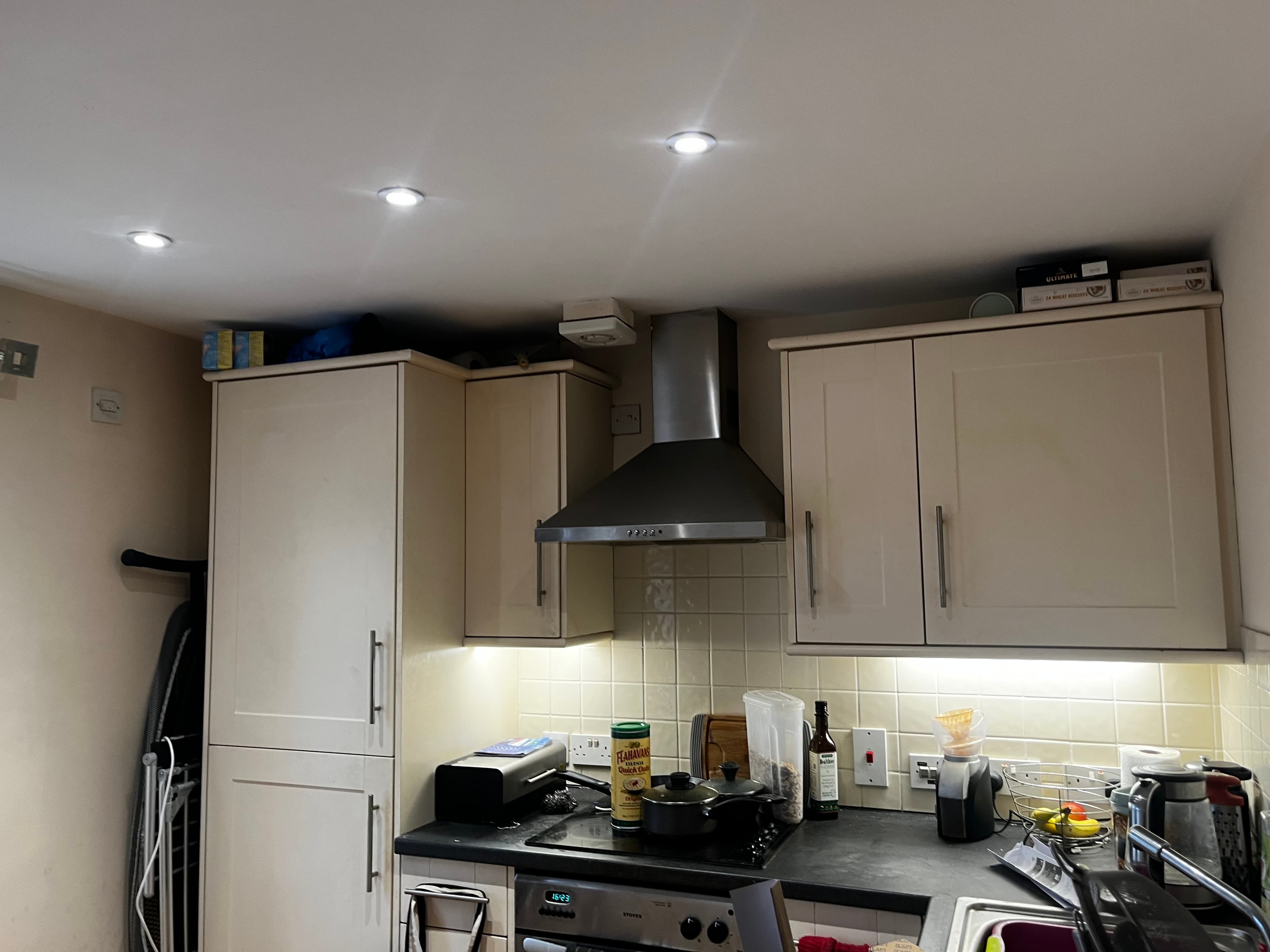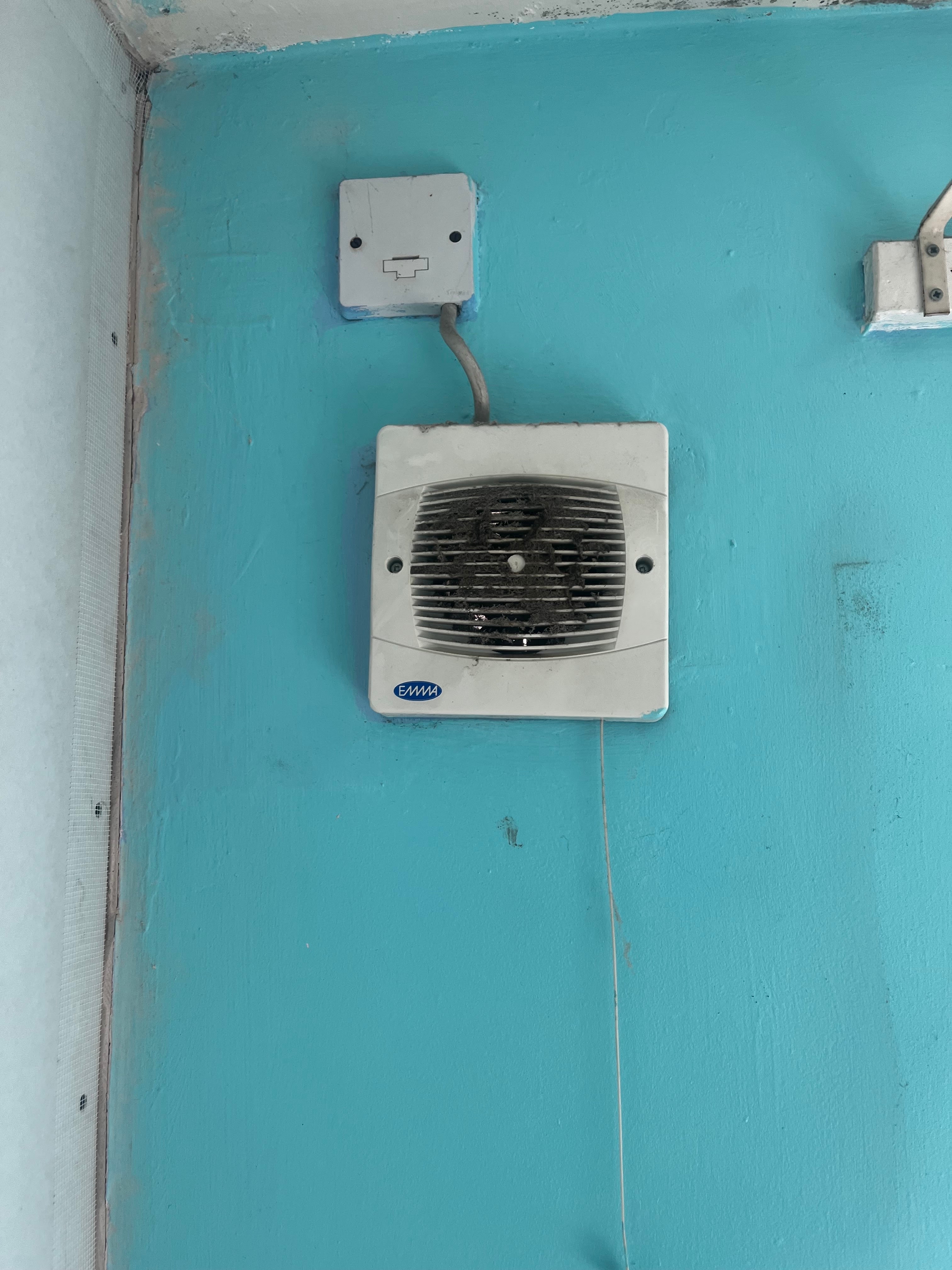
If a fixed extractor fan has stopped in a Leeds home or workplace, the first useful decision is not which replacement to buy. It is whether to ask for an electrical repair or fault finding. Start with fault finding when the cause is not known. A fan is the visible part of a small electrical system, so the symptom alone does not establish whether the unit, its controls or the supply is responsible.
CAN Electrical Contractors Limited lists both electrical fault finding for problem circuits and faults and electrical repairs for domestic and commercial properties. The business serves Leeds. Before contacting an electrician, Leeds homeowners can note the observed pattern and the decision they need to make, without trying to diagnose enclosed electrical parts themselves.
Describe what changed before deciding what failed
Begin with ordinary observations. Is the fan completely silent, does it start only sometimes, or does it run but sound different? Does the change happen every time the normal control is used, or only occasionally? If the fan has a visible indicator, note what it shows. You are recording a pattern, not naming a fault.
That distinction matters because several different symptoms can look like “the fan is broken” from the room. Buying a replacement before the cause is understood may still leave the original question unanswered. Equally, a broad inspection is not automatically the first answer to one defined symptom. The useful service is the one that matches the decision you actually need to make.
When fault finding is the clearer first request
Choose a fault-finding conversation when the cause is uncertain, the problem is intermittent, or more than one part of the normal operation could be involved. CAN Electrical Contractors Limited describes its fault-finding service as electrical fault finding for problem circuits and faults. Your role is to provide the sequence of events; the electrical assessment belongs to the professional.
Do not remove the fan cover, open an isolator or try to test wiring. If there is heat, scorching, a burning smell, exposed wiring or water affecting an electrical fitting, keep clear of the affected equipment and seek prompt professional advice rather than recreating the symptom. For a routine enquiry, a short factual description is enough.
- The room or work area and the exact fixed item affected.
- What it normally does and what has changed.
- Whether the change is constant or intermittent.
- What ordinary control was being used when it happened.
- Any visible warning sign, recorded without guessing at a cause.
When an electrical repair may already be the right description
An electrical-repair enquiry is clearer when there is already a specific finding or an agreed item of work to discuss. For example, you may have a written observation from an earlier professional visit or a defined repair scope that now needs arranging. Share the original wording rather than translating it into your own diagnosis.
CAN Electrical Contractors Limited provides electrical repairs for domestic and commercial properties. If the fault has not yet been identified, say that plainly and ask whether fault finding should come first. “Repair” can describe the outcome you want, while “fault finding” describes the work needed to establish the cause; the two can form separate stages of the same conversation.
Do not turn one fan symptom into a whole-property conclusion
A stopped fan does not, by itself, prove that a property needs a rewire or an Electrical Installation Condition Report. CAN Electrical Contractors Limited lists EICRs for properties that need inspection evidence, while full rewires and partial rewires are separate services. A partial rewire is listed for situations where a full rewire is not required. Those are different scopes and should be discussed from evidence, not from the size or inconvenience of one symptom.
If your real question is about inspection evidence for the wider installation, ask about an EICR. If your question is why one circuit or fixed item is not working normally, the fault-finding service is the more direct page to read. If a defect or scope is already known, see electrical repairs.
What to tell a Leeds electrician before the visit
For a Leeds home, name the room and whether the symptom affects anything else you have noticed. For commercial premises, identify the work area and the practical effect without overstating it. Avoid labels such as “motor failure” or “wiring fault” unless those words came from a professional finding.
Photos can help show the visible unit, controls and surroundings, but they cannot prove what is happening inside. Take them from a normal safe position. Keep model labels readable if they are already visible, and do not remove covers to create a better photograph.
Then put the main question in one sentence: “The fixed fan in this room has stopped responding to its normal control; do I need fault finding before a repair can be scoped?” That is specific enough to route the enquiry while leaving the cause open.
What a sensible next step looks like
The best next step is not the most dramatic service; it is the smallest professional assessment that can answer the current question. A known repair can be discussed as a repair. An unexplained or intermittent symptom is better presented for fault finding. A need for wider inspection evidence belongs in an EICR conversation.
CAN Electrical Contractors Limited serves homes and commercial properties in Leeds. Use the contact page to share the affected area, the observed pattern and the decision you need help making before an electrician attends.
Frequently asked questions
Does a stopped extractor fan always need replacing?
No conclusion follows from the symptom alone. The visible fan, its normal controls and the electrical supply are separate parts of the question. Describe what changed and ask whether fault finding is needed before a repair or replacement is discussed.
Should I book electrical repairs or fault finding?
Ask for fault finding when you do not know why the item is behaving differently. Ask about electrical repairs when you already have a specific finding or agreed scope. If you are unsure, say so in the enquiry rather than choosing a cause.
Is an EICR the same as fault finding?
No. CAN Electrical Contractors Limited lists EICRs for properties that need inspection evidence and fault finding for problem circuits and faults. Explain whether you need evidence about the wider installation or an answer to one defined symptom.
What information should I send first?
Send the room or work area, the fixed item involved, what normally happens, what changed, whether it is intermittent and any visible warning signs. Keep the description factual and leave enclosed electrical checks to the professional.
A good enquiry does not need a diagnosis. It needs a clear symptom, a safe factual handover and one decision: repair, fault finding or wider inspection evidence. That gives CAN Electrical Contractors Limited a useful starting point when you need an electrician in Leeds.