An electrical condition report should give you useful inspection evidence about the fixed installation. It cannot do that as clearly when the consumer unit is boxed in, rooms are locked, previous paperwork is missing or the person meeting the electrician cannot explain why the inspection was arranged.
Property owners can sort the practical details while leaving every electrical check to the professional. If you need an electrical installation condition report, Leeds is one of the areas CAN Electrical Contractors Limited serves. The company provides EICRs for properties that need inspection evidence, as well as landlord checks and electrical repairs.
Start with the reason for the inspection
Write down the decision the report needs to support. You may want a current view of the installation, inspection evidence for a rental property, or a clearer starting point before other work is planned. The reason helps frame the appointment without deciding the outcome in advance.
If a landlord check is the reason, have the property details and any existing report ready. CAN Electrical Contractors Limited provides electrical landlord checks for rental property compliance needs. Keep that request separate from assumptions about remedial work: the inspection comes first, and any electrical repairs can be discussed from the findings.
Clear safe access to the consumer unit
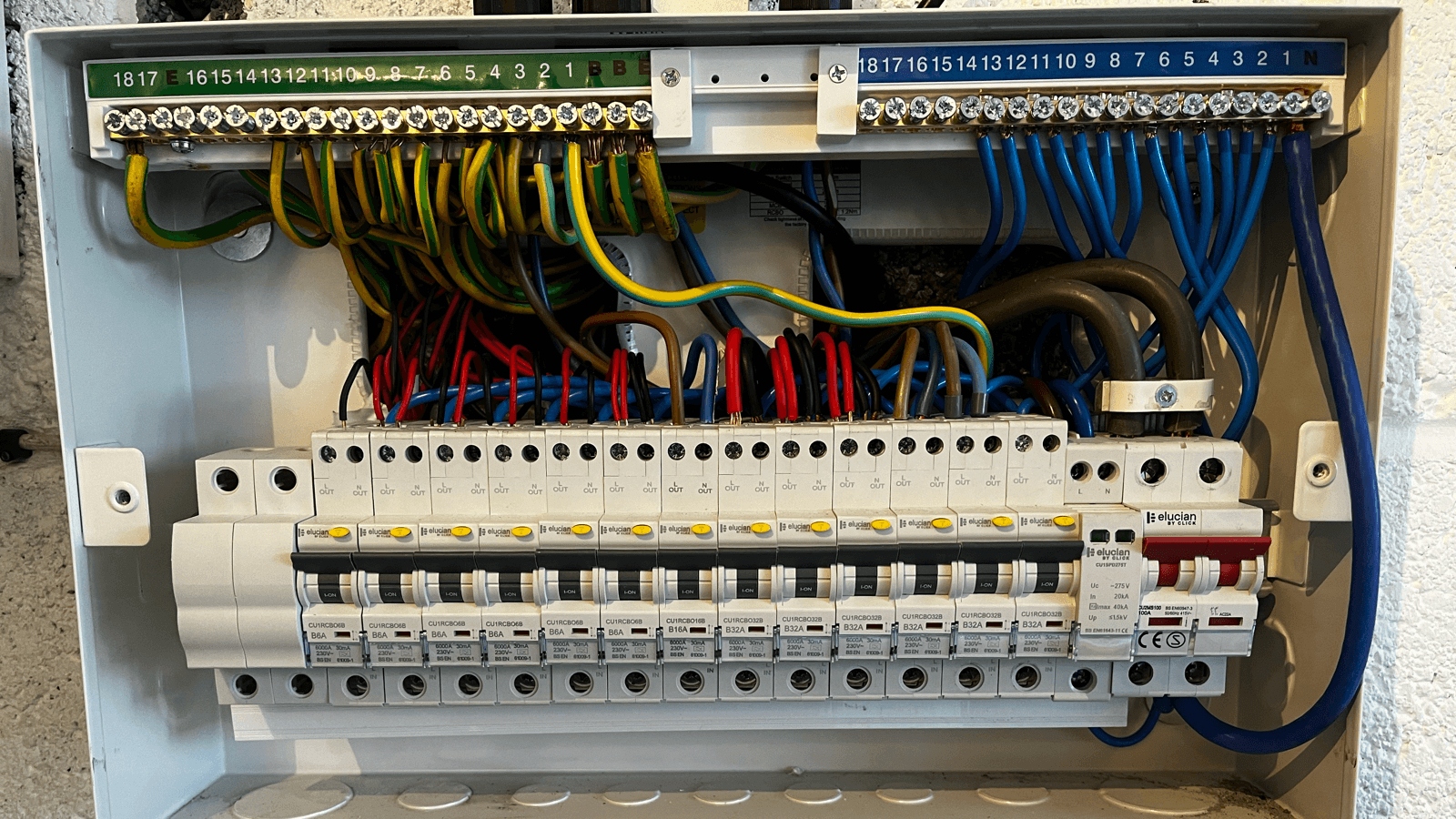
The consumer unit needs to be reachable without moving a cupboard full of boxes during the visit. Clear the floor and the space in front of it, make sure the route is well lit, and identify which door or cupboard contains it for the person attending.
Do not remove the cover, touch internal parts or try to improve labels yourself. A photograph taken from a normal standing position can capture useful location details, but the enclosure should remain closed until the electrician handles it.
Make every included area available
List the rooms, outbuildings and fixed areas that are meant to be included, then check whether keys, furniture or stored items block normal access. The aim is not to strip the property. It is to prevent an expected part of the inspection being inaccessible for an avoidable reason.
If a room cannot be entered or a fixed item cannot be reached safely, mention it before the appointment. That allows the scope to be discussed openly instead of discovering the restriction midway through the visit.
Collect the installation records you already have
Bring previous condition reports, records for later electrical work and any circuit information kept with the property. Keep original wording and dates visible. Do not rewrite a technical note into your own diagnosis, because the exact document is more useful than a summary that may change its meaning.
Put the records in date order and flag gaps as gaps. Missing paperwork does not need a guessed explanation. It simply tells the electrician which parts of the installation history are known and which need to be assessed from the property itself.
Write a short list of observed concerns
Record what occupants have noticed in everyday language: the room involved, what happened, when it happened and whether it has repeated. A note such as “the landing light sometimes fails to come on” is clearer than naming a suspected wiring fault without evidence.
If there is heat, scorching, a burning smell, exposed wiring, water affecting electrics or another immediate safety concern, stop using the affected item or area where it is safe to do so and seek prompt professional help. Do not wait for a routine inspection slot or reproduce the fault for the appointment.
Plan for ordinary disruption
Ask in advance whether parts of the inspection are likely to interrupt power and whether sensitive household equipment needs an agreed arrangement. Tell the electrician about occupants who rely on powered equipment or any part of the property that cannot be interrupted without planning.
This conversation is about access and timing. Do not isolate circuits, open accessories or carry out test procedures yourself. CAN Electrical Contractors Limited can explain what the appointment requires once the property and scope are clear.
Use a one-page appointment checklist
Keep the handover short enough to use at the door. A single page can cover the purpose, access, records and questions.
- Reason for arranging the EICR and the decision it needs to support.
- Areas included, plus any locked or restricted spaces.
- Clear route to the closed consumer unit.
- Previous reports and records in their original form.
- Observed concerns described without a diagnosis.
- Any power-dependent needs to discuss before inspection begins.
Turn the report into a sensible next step
An EICR provides inspection evidence; it is not the same task as carrying out every repair that may later be discussed. Read the finished report, ask what each finding means for the property and request that any proposed follow-up work is tied back to the recorded finding.
See CAN Electrical Contractors Limited's EICR service for the inspection route. If the report leads to follow-up work, the electrical repairs service is the relevant next page. Use the contact page to explain the property and requested scope.
Frequently asked questions
Should I open the consumer unit before the electrician arrives?
No. Clear safe access to it and leave the cover closed. Internal inspection and testing belong to the electrician carrying out the work.
What if I cannot find an older report?
Say that it is unavailable and provide the records you do have. A clear gap is more useful than an estimated date or an uncertain summary.
Can repairs be agreed before the report is complete?
You can explain known concerns, but keep the inspection and any resulting repair scope distinct. The finished evidence gives the follow-up conversation a clearer basis.
Prepare access, records and a short factual handover, then ask CAN Electrical Contractors Limited to confirm the inspection scope. That gives the visit the best chance of producing evidence you can understand and use.